
Repairs · 6 min read
Why the same drywall crack keeps coming back
You filled it, sanded it, painted it. A year later it is back in exactly the same line. Here is what is actually happening behind the paint.
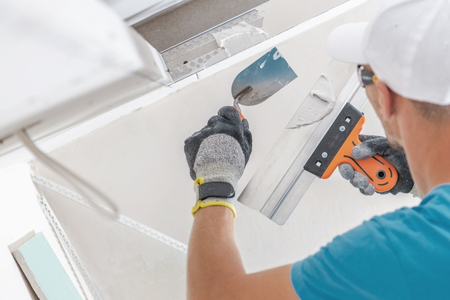
Filler is not a repair
A crack is a joint that is moving. Filling the gap with compound puts a rigid material across a moving joint, and the joint always wins. The crack returns along the same line because nothing changed about why it opened.
A proper repair either bridges the joint with tape so the movement is spread over a wider area, or removes the failed section and rebuilds it on solid backing.
Where cracks come from in Nova Scotia houses
Seasonal humidity swings are the biggest driver here. Framing takes on moisture in a wet spring and gives it up when the heat comes on, and the drywall skin has to absorb that movement somewhere. Door and window corners are the weak points, which is why cracks radiate from them.
Newer builds add settling on top of that. A house four or five years old is still finding its level, and the first winter of central heat usually announces it.
What we do differently
We open the crack, tape across it, and build the compound out wide enough that the repair is not a hard edge sitting inside a soft wall. On a recurring crack we go further and check whether a fastening or framing issue is behind it, because there is no point finishing a wall that is going to move again in March.
Not sure what you're looking at?
Send a photo. We will tell you honestly whether it is a repair, a plumber, or just paint.
Keep reading
Texture matching, explained without the jargon
The reason you can spot most drywall patches from across the room has almost nothing to do with the filling and everything to do with the finish.
There's a water stain on my ceiling. What now?
A brown ring overhead is a symptom, not a diagnosis. Here is how to work out whether you need a repair, a plumber, or just paint.